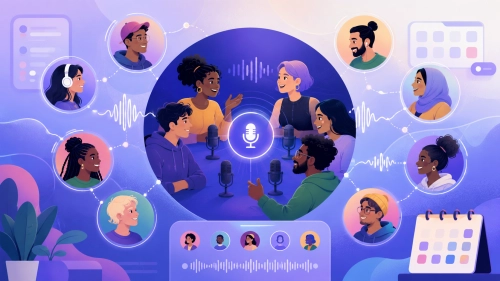
The initial wave of mainstream excitement surrounding live audio rooms left many with unrealistic expectations about the medium’s future. A blank audio screen or a floating room format alone cannot organically generate or sustain a thriving digital ecosystem. However, far from being a passing tech trend, social audio remains an incredibly potent tool for engagement when seamlessly integrated into existing community rituals, shared cultural identities, and structured interactive events.
Table of Contents
Shifting From Hype to Sustainable Engagement
When the novelty of pure audio matching faded, it became clear that passive users require a distinct purpose to return to a platform. Voice-first discovery thrives when it moves away from random, unmoderated conversations toward intentional structures. Real-time audio adds immense emotional nuance and presence that text-based comments simply cannot replicate, transforming passive consumers into active community participants.
Overcoming the Social Media Retention Challenge
To prevent an audio community platform from feeling quiet, creators and network operators must move away from relying on chance encounters. Relying on luck is a flawed product strategy. Instead, sustainable retention is built on scheduled, repeatable group programming. Establishing structured formats like weekly interactive rooms, professional panels, topical discussion clubs, or casual late-night mixers provides users with a clear, predictable incentive to return at specific times.
Highly Effective Audio Group Formats
When deployed strategically, specific conversational frameworks consistently yield higher user engagement. Some of the most successful community configurations include:
- Interest-Based Identity Rooms: Spaces dedicated to deep-dive hobbyist discussions, book clubs, or live creator fan chats.
- Language and Skill Exchanges: Structured educational environments where members take turns practicing conversational skills.
- Networking and Founder Circles: Professional, high-value audio spaces centered around sharing experiences and real-time advice.
- Low-Pressure Dating Mixers: Facilitated social spaces that substitute endless profile swiping with rapid, audio-first chemistry checks.
Designing Safer Spaces Through Proactive Product Controls
The long-term health of any social audio ecosystem depends directly on the accessibility of its moderation infrastructure. Effective voice hubs do not view security as administrative overhead; they treat it as a core feature that makes genuine human connection possible. Providing hosts and participants with clear room guidelines, instant mute controls, fast reporting mechanisms, and transparent profile verification indicators is essential to preserving high-quality interactions.
How Datio Meet Reinvents the Voice Community Experience
Datio Meet bridges the gap between massive public text boards and highly exclusive private calls by creating a secure, hybrid audio environment. By pairing public interest-driven voice spaces with intuitive transitions to secure, one-on-one private chats, the platform lowers the barrier to making meaningful connections. This thoughtful communication layer allows users to explore broader community circles comfortably, building natural rapport through the power of voice before taking the next steps.
| Established Community Format | Optimal Audio Infrastructure | Direct Interaction Benefit |
| Language Practice Circles | Segmented small-group audio rooms | Lowers conversational anxiety for non-native speakers |
| Speed Matchmaking Mixers | Automated, timed voice rounds | Replaces repetitive texting with immediate emotional nuance |
| Creator Q&A Sessions | Structured raise-hand moderation tools | Maintains professional room order during high-traffic events |
| Local Community Meetups | Integrated, scheduled calendar notifications | Drives predictable returning traffic without relying on luck |
| Always-On Casual Lounges | Open-mic drop-in channels | Simulates a physical space for continuous, organic bonding |
Related reading
– How to Start a Voice Chat With Strangers Without Making It Awkward
– Online Dating Safety Tips for Voice and Video Chat
– Best Chat Apps for Gamers to Meet Friends Online
What is a social audio app?
A social audio app is a digital platform that allows users to initiate, host, or participate in live or recorded voice-first conversations, typically organized around virtual rooms, open channels, or scheduled events.
Are voice rooms good for communities?
Yes. Voice rooms excel at building digital community depth when they are driven by specific topics, supported by active hosts, guided by clear moderation rules, and built around recurring weekly schedules.
What is the difference between voice chat and social audio?
Voice chat typically refers to private, closed-group communication between friends or matches. Social audio represents public or semi-public interactive spaces focused on broader topical discussions or shared hobbies.
Can social audio help people make friends?
Absolutely. When audio rooms pair individuals based on clear personal interests or contextual activities rather than completely random matching, they create an incredibly high-conversion environment for authentic friendships.